Can I Let My Cat or Dog Die Naturally? A Compassionate Guide for Pet Families

Updated: Mar 9
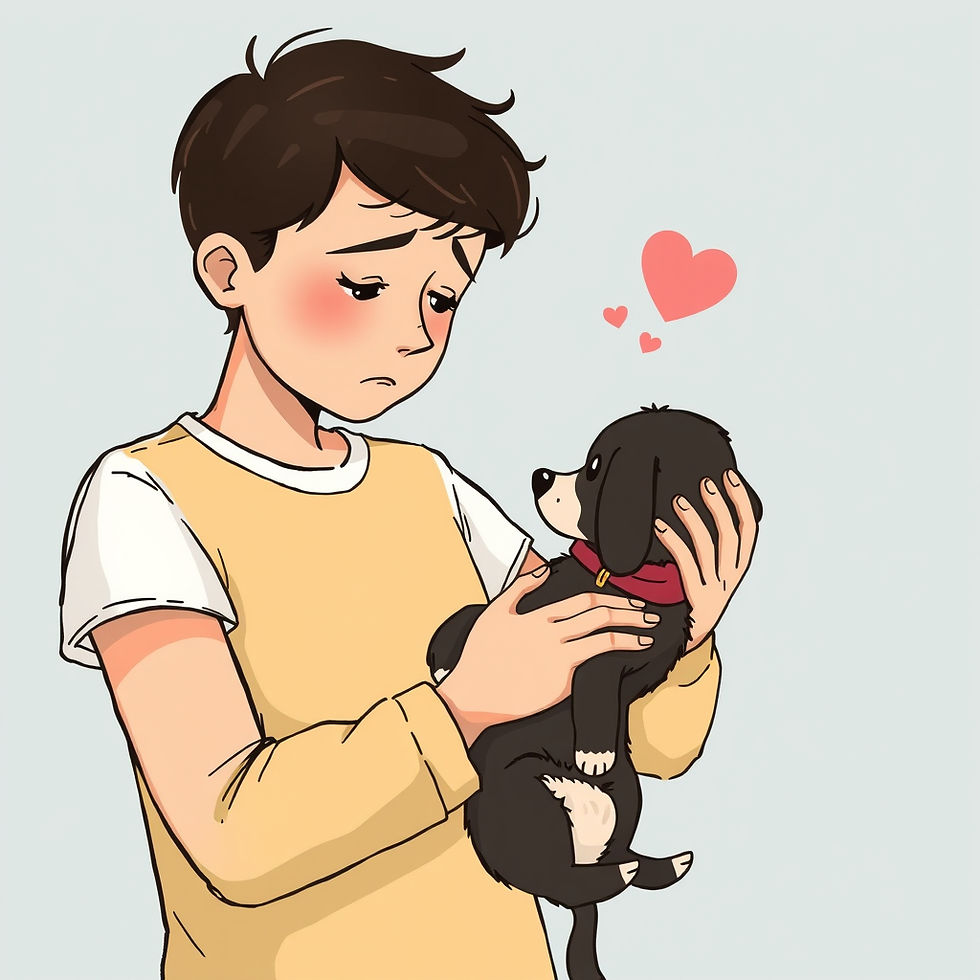
Facing the end of a beloved pet’s life is one of the hardest experiences we go through as pet parents. It’s natural to wonder whether allowing a cat or dog to pass away on their own is a kind and loving choice—or whether euthanasia may be a more peaceful option.
This guide walks you gently through what a “natural death” really means, the stages involved, and how to know what might be best for your pet and your family.
❤️ Understanding Natural Death in Pets
A natural death occurs when a pet’s body reaches the end of its abilities because of age, illness, or organ failure. Some families feel drawn to the idea of letting their pet pass at home, surrounded by love. Others fear the discomfort that can come with an unassisted decline.
It’s important to know: A natural death can be peaceful if the disease process allows it and if proper comfort care is in place. However, not every condition permits a gentle passing, and some illnesses may lead to suffering that cannot be relieved without medical intervention.
If you’re considering a natural death for your pet, speaking with a veterinarian or hospice provider can help guide your decision.
🌿 How Long Does a Natural Death Take?
There is no exact timeline. Every pet’s journey is personal and shaped by several factors:
Age and Organ Decline
Senior pets may decline gradually over days to weeks as their bodies slow down.
Underlying Illness
Terminal conditions such as cancer, kidney failure, or heart disease can progress unpredictably—sometimes slowly, sometimes with sudden changes near the end.
Food and Water Intake
A pet who stops eating and drinking may pass within a few days, but this varies.
Comfort and Palliative Support
With hospice care, many pets remain as peaceful and comfortable as possible until their body naturally lets go. The more support and monitoring your pet receives, the higher the chance their passing can be gentle.
🐾 Signs That Your Pet May Be Nearing the End
No list can capture every pet’s experience, but many share similar signs, including:
Little to no interest in food or water
Marked fatigue or difficulty getting up
Irregular or labored breathing
Loss of bladder or bowel control
Withdrawing from family or seeking quiet time alone
Cool paws, ears, or limbs
Confusion or slow responses
Seeing these changes can be heartbreaking. Remember that you don’t have to navigate this alone—your veterinarian can help you understand what your pet is experiencing and how to keep them comfortable.
🌸 Natural Death vs. Assisted Natural Death
Unassisted Natural Death
This is death without any medical support. While it may sound gentle, it is often unpredictable and can involve distress, especially for pets with conditions causing pain, breathing difficulty, or internal bleeding. For these reasons, most veterinarians do not consider an unassisted death humane for many medical conditions.
Assisted Natural Death (Palliative or Hospice Care)
This approach focuses entirely on comfort. Medications, nursing care, and environmental adjustments help manage pain, nausea, anxiety, or breathing issues. When the disease allows, this can offer a peaceful path at home while still honoring a natural passing.
However, some conditions cannot be comfortably managed through hospice alone—for example, diseases that severely affect breathing, such as end-stage congestive heart failure, or conditions with a high risk of sudden internal bleeding, such as a ruptured hemangiosarcoma. In these situations, a palliated natural death is not considered a humane option.
💗 What About Euthanasia?
Euthanasia is a veterinary-guided procedure that ensures a peaceful, pain-free passing. Many families choose this option when a pet’s discomfort can no longer be controlled or when quality of life has significantly declined.
The process typically involves:
A gentle pain relief and sedative to help your pet relax and ease all its discomfort
A general anaesthesia to help your pet fall asleep
A final medication that allows the heart to stop peacefully
Families often choose euthanasia because it prevents unnecessary suffering and ensures their pet feels safe, loved, and comfortable at the end.
Choosing euthanasia is an act of love, not failure.
🌙 The Stages of Natural Death in Cats & Dogs
Every pet’s experience is unique, but natural death generally follows three phases:
1. Pre-Active Phase (Days to Weeks)
Subtle changes appear:
Decreased appetite
More sleep
Less engagement
Gentle withdrawal or restlessness
2. Active Dying Phase (Hours to Days)
The body begins shutting down:
Difficulty breathing
Profound weakness
Disorientation
Incontinence
Vomiting or nausea
Irregular temperature
Possible involuntary movements or vocalization
This stage can be distressing without hospice support.
3. Terminal Breathing (Minutes to Hours)
Breathing becomes shallow or spaced far apart until it eventually stops. This is the final stage of the natural dying process.
Putting it all together
Choosing how to support your pet at the end of their life is an incredibly personal and emotional decision. For some families, allowing a natural passing may feel meaningful and aligned with their beliefs. However, it’s important to remember that the natural dying process can be unpredictable. In-home euthanasia provides a gentle, controlled, and deeply compassionate alternative—one that prioritizes comfort, dignity, and the peaceful presence of family.
If you’re feeling uncertain or overwhelmed, please know you don’t have to navigate this alone. For pet owners in Singapore, Happy Vet is here to offer guidance rooted in both empathy and medical expertise. We will walk with you through every step, help you understand what to expect, and ensure your pet receives the tenderness, respect, and comfort they deserve in their final moments.
Reach out to us anytime to discuss your options. Together, we can help you make the decision that feels most loving and right for both you and your cherished companion.
